Sectarian Dynamics and Marriage in Pakistan: How to Navigate Compatibility
Allama Sajid Naqvi
Allama Sajid Naqvi is an interfaith dialogue specialist and Islamic scholar with expertise in sectarian harmony and family mediation.
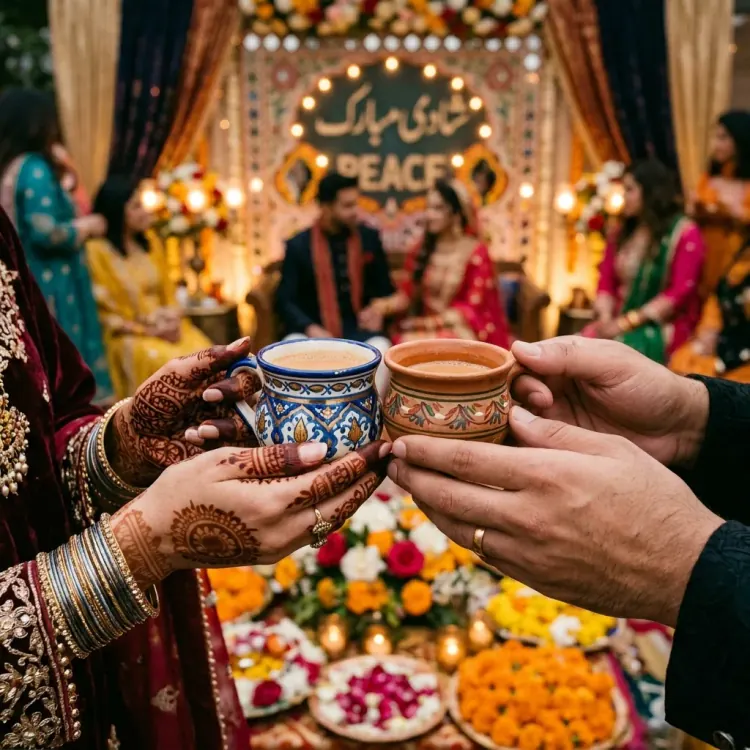
Understanding Sectarian Dynamics in Pakistani Marriages
In Pakistan, sectarian preferences — Sunni, Shia, Barelvi, Deobandi, Ahl-e-Hadith (maslaki tarjihaat) — play a significant role in marriage compatibility. While some families prioritize strict sectarian matching (sakht maslaki ham ahangi), others maintain flexibility. Navigating these options transparently early saves families from future conflict.
This is not about judging any sect or promoting division — it's about respecting that different families have deeply held beliefs, and marriage works best when both families share fundamental religious alignment. A mismatch in daily religious practice can create friction that accumulates over years.
According to family counseling data, approximately 23% of marital disputes in Pakistan involve disagreements rooted in sectarian differences that were not discussed before marriage.
Why Early Discussion Prevents Later Conflict
Often, sectarian differences are ignored initially (shuru mein nazar andaaz), only to cause issues later when families discuss marriage customs (shaadi ki rasoomaat), child upbringing (bachon ki tarbiyat), or daily religious practices. Discussing these dynamics respectfully on a secure platform helps manage expectations.
Common areas of conflict include: which mosque or imambargah the family attends, how Muharram is observed, views on milad celebrations, children's madrassah education, and funeral prayer traditions. These may seem minor before marriage but become major sources of friction afterward.
Rather than ignoring religious dynamics (mazhabi pahlooyon ko nazar andaaz karne ke bajaye), Shadi Krao allows families to set explicit sectarian preferences as Level-1 (Must Match) dealbreakers. This ensures you only see profiles that align with your values, preventing uncomfortable family rejections later.
How to Respectfully Navigate Sectarian Preferences
Follow these steps to respect sectarian preferences (maslaki tarjihaat ka ehtiraam) in matchmaking:
1. Clarify Religious Expectations (Mazhabi Tawaquaat Wazeh Karein): Be honest about religious routines, daily practices, and sectarian values on your profile.
2. Set Strict Dealbreakers (Zaruri Sharait Muqarrar Karein): Use platform filters to automate screening, ensuring you only receive matches that meet your family's religious parameters.
3. Discuss Children's Upbringing (Bachon Ki Tarbiyat Par Baat Karein): Be transparent about how children's religious education and habits will be handled in the home.
4. Respect Differences (Ikhtilaaf Ka Ehtiraam): Maintain polite, respectful boundaries even when a candidate's religious viewpoint differs from yours. Declining gracefully is always better than criticizing another sect.
5. Discuss Family Rituals (Khandani Mazhabi Rasm O Riwaaj): Talk about joint family religious functions, dress codes, and holidays early to avoid discomfort.
Shadi Krao: Honoring Every Family's Religious Choices
Our goal is to honor family choices (khandani faislon ka ehtiraam). Shadi Krao's system respects your religious parameters by providing targeted filtering that ensures Nikkah proposals are built on a solid foundation of mutual value alignment.
We don't judge which sect is 'right' — we simply ensure that both families in a potential match share the same foundation, so the marriage begins with understanding rather than conflict. This is the Islamic principle of compatibility (kuf'u) applied to the digital age.