Rishta Meeting Etiquette: A Guide for Pakistani Candidates & Families
Rubina Tariq
Rubina Tariq is a family relationship consultant and cultural etiquette advisor who has facilitated over 500 successful rishta introductions across Pakistan.
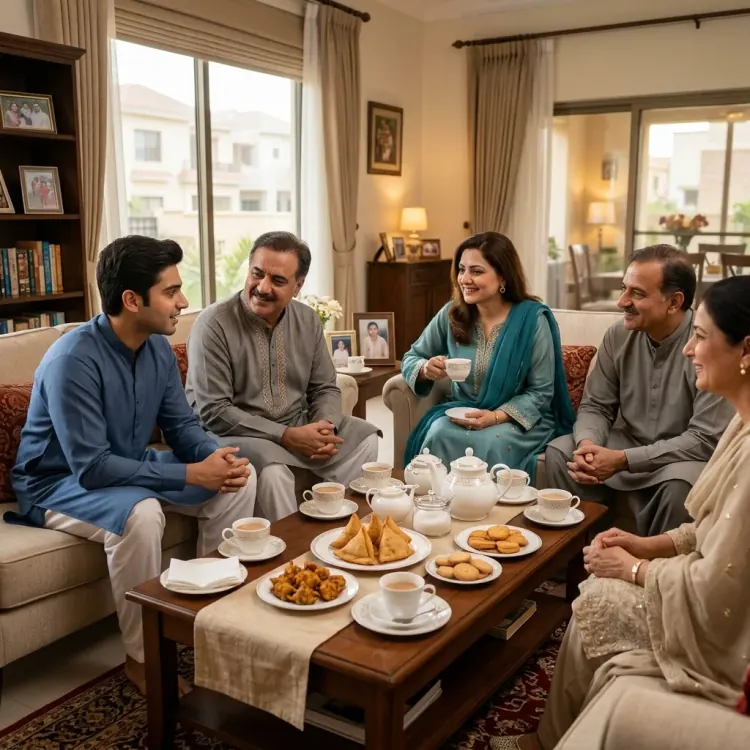
The Significance of the First Rishta Meeting
The first formal family meeting, traditionally known as a 'Rishta Meeting' (rishta ki mulaqat), is a pivotal step in Pakistani matrimony. This initial meeting sets the tone for future correspondence. Preparing adequately and respecting boundaries is essential to ensure both candidate and family comfort.
In Pakistani culture, this meeting is not just about the two candidates — it's about two entire families coming together. The elders assess compatibility, values, and whether the families can build a lasting relationship. This is why the meeting must be conducted with dignity, preparation, and mutual respect (baahami ehtiraam).
Common Mistakes That Ruin Rishta Meetings
Many families feel pressure or awkwardness during these introductions. Often, the conversation turns into a stressful interrogation regarding salary (tankha), property (jaydaad), or demands (farmaishein), which damages the spirit of the meeting.
Other common mistakes include: dominating the conversation without letting the other family speak, making unrealistic jahez demands, comparing the candidate to previous proposals, or bringing up extremely personal questions too early. Maintaining dignity (waqar) requires shifting the focus back to mutual values (mushtarka qadrain).
Remember: the purpose of this meeting is to assess CHARACTER compatibility (kirdaar ki mawafiqat), not to conduct a financial audit. Families that focus on values produce happier marriages than those focused on material criteria.
Essential Etiquette Rules for a Dignified Meeting
To keep the meeting dignified and productive, follow these primary rules of etiquette (adaab):
1. Be Transparent (Sachay Rahein): Honesty regarding education, career tracks, and lifestyle preferences is crucial. False impressions regarding job titles or status only build distrust (bay-eitmaadi). If you're a teacher, say you're a teacher — don't exaggerate it into something it's not.
2. Keep Conversations Balanced (Mutawazin Guftugu): Allow both the candidate and their family to speak freely. Avoid dominating discussions with one-sided financial expectations or domestic demands (ghar ki farmaishein).
3. Involve a Chaperone (Sarparast Ko Shamil Karein): For a respectful, halal atmosphere, candidate interactions should occur in a family-centered environment where parents or guardians are present.
4. Dress Moderately (Munasib Libaas Pehnein): Wear clean, elegant traditional attire (shalwar kameez) that reflects modesty and respect for the other family. First impressions matter — sadah magar shaistah.
5. Focus on Character (Kirdaar Par Tawajjo Dein): Ask questions about daily habits, religious practice (mazhabi mamoolaat), and expectations of married life, rather than focusing solely on material status.
Topics to Discuss During the Rishta Meeting
While every family has different priorities, here are universally important topics to address during the meeting:
• Living arrangements: Will the couple live in a joint family setup (mushtarka khandan), separate portion (alag hissa), or independent home (alag ghar)?
• Career and education: What are the candidate's professional goals? Is the family supportive of a working spouse?
• Religious practice: What level of religious observance does the family follow? Daily prayers (namaz), Quran reading, Islamic values?
• Children and family planning: Does the couple want children? How many? What approach to children's education and upbringing?
• Financial expectations: Who will manage household finances? Are there savings goals or financial obligations?
• Relocation: Is either party willing to relocate for work or family? This is especially important for overseas rishtas.
How Shadi Krao Prepares Families for Better Meetings
Shadi Krao helps families align on these value vectors digitally BEFORE they meet in person. By discussing hard dealbreakers (zaruri sharait) beforehand through our chaperoned messaging system, the physical meeting becomes a respectful validation of shared compatibility rather than an awkward screening process.
When families have already discussed living arrangements, religious preferences, and career goals online, the in-person meeting can focus on what truly matters: assessing chemistry, comfort, and the intangible feeling of 'this feels right' (yeh rishta theek lag raha hai). That's when the best matches happen.