Modesty in Digital Chats: Islamic Boundaries for Matrimonial Conversations
Mufti Farhan Qasim
Mufti Farhan Qasim is an Islamic scholar specializing in family law and halal matchmaking ethics with over 15 years of experience.
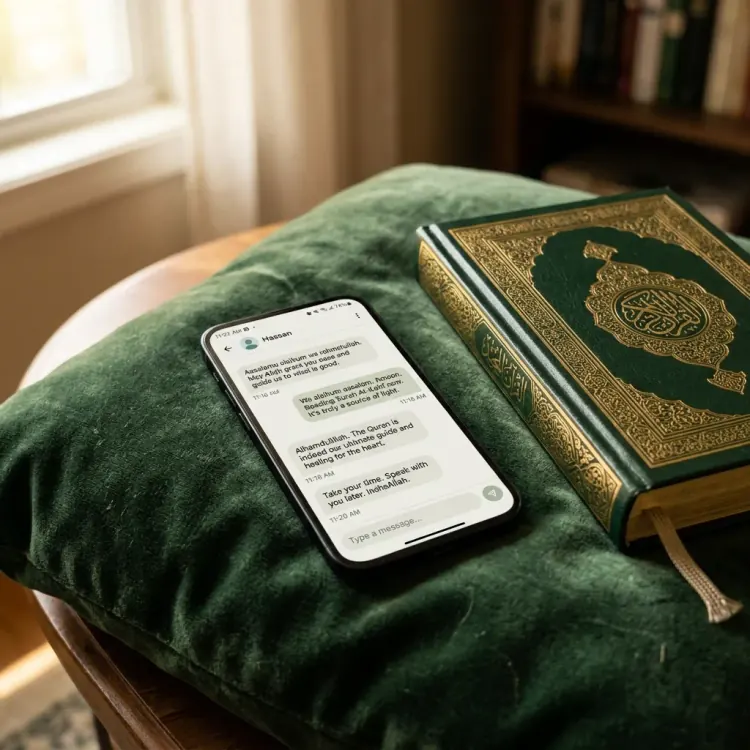
The Challenge of Maintaining Haya Online
As matchmaking transitions online (jab rishta sazi digital ho), maintaining modesty (Haya) in digital chats is a primary concern for practicing Muslim families. Engaging in unmonitored private messaging (niji paighamat) can lead to casual talk, compromising the purity of matrimonial intentions.
The ease of typing messages on mobile screens can blur boundaries (hadood ko dhundla karna), turning a serious matrimonial inquiry into informal chatter. To protect the sanctity (taqaddus) of the match, communication must remain structured and goal-oriented.
This is not about being overly strict — it's about recognizing that the rishta process is a sacred step toward Nikkah, and every conversation should reflect that seriousness.
Five Key Boundaries for Halal Matrimonial Conversations
Keep these key boundaries (aham hadood) in mind during matrimonial conversations:
1. Limit Personal Talk (Zati Baatein Mahdood Rakhein): Conversations should focus strictly on evaluating compatibility for marriage (Nikkah ke liye mawafiqat). Avoid casual topics, unnecessary jokes, or emotional discussions that cross halal boundaries.
2. Share Contact Details Wisely (Raabta Ki Maloomaat Ehtiyaat Se): Do not share phone numbers or personal emails until basic compatibility AND identity verification are verified. Jo log pehle WhatsApp number maangte hain, woh aksar sanjeedah nahi hote.
3. Engage the Family Chaperone (Sarparast Ko Shamil Rakhein): Keep parents informed and involved from day one. Do not hide matrimonial chats from guardians — transparency builds trust.
4. Respect Chat Pacing (Waqt Ka Khayal Rakhein): Avoid late-night messaging (raat ko der tak paighamat). Establish healthy boundaries for when and how often you communicate. Excessive messaging early on creates false intimacy.
5. Maintain Professionalism (Shaistagi Barqarar Rakhein): Treat digital chats with the same respect as a face-to-face meeting with a guardian present. If you wouldn't say it in front of the candidate's parents, don't type it.
Shadi Krao's Chaperoned Chat System
Shadi Krao solves this by providing a dedicated Family Chaperone Chat structure (Khandani Sarparasti Guftugu Nizam). Parents or guardians can oversee and join conversations, keeping the environment dignified and respectful, fully aligned with Islamic principles.
By protecting communication channels, Shadi Krao allows candidates and families to find partner matches with the confidence that their values and modesty (haya aur waqar) are preserved throughout the entire rishta process.