Biradari vs. Values-Based Marriage: The Changing Landscape in Pakistan 2026
Dr. Yasmin Ara
Dr. Yasmin Ara is a clinical psychologist specializing in marital counseling and family dynamics with a private practice in Islamabad.
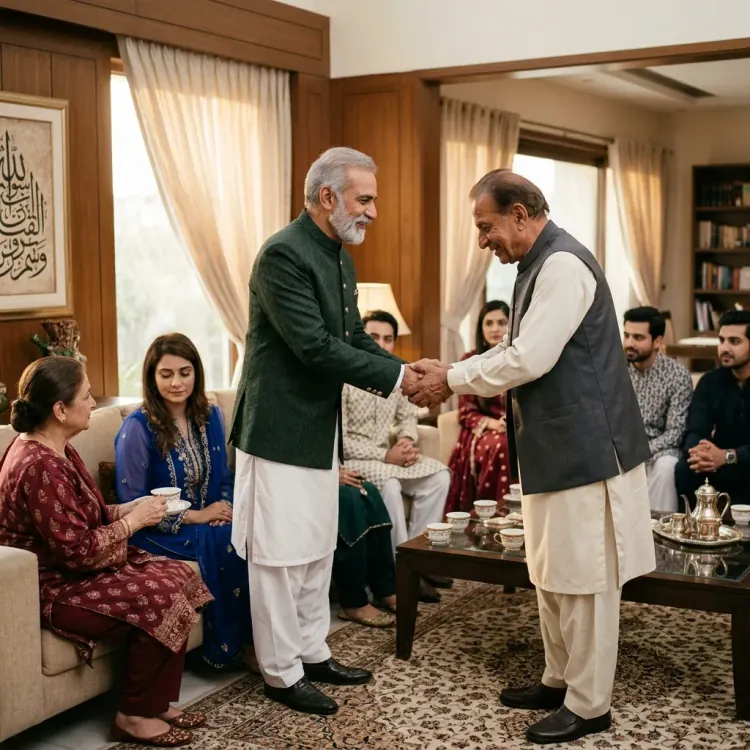
The Traditional Role of Biradari in Pakistani Matchmaking
For generations, biradari (caste, clan, or extended kinship group — zaat, bradri, khandaan) has been the primary filter in Pakistani matchmaking. Families would rarely consider proposals outside their caste: Rajputs with Rajputs, Jatts with Jatts, Syeds with Syeds, Arains with Arains. This system provided familiarity, social standing, and shared cultural practices.
The biradari system served practical purposes in agrarian and feudal societies — it maintained land within families, ensured shared customs, and provided a built-in social support network. 'Apni bradri mein rishta karo' was not just advice — it was a social mandate.
However, as Pakistan urbanizes and education levels rise, the limitations of strictly biradari-based matching are becoming increasingly apparent. Educated professionals in cities like Lahore, Karachi, and Islamabad are finding that shared caste doesn't guarantee shared values, communication compatibility, or life goals.
The Shift Toward Values-Based Matching
A growing number of Pakistani families — particularly in urban centers and the diaspora — are prioritizing values-based compatibility (qadaron par mabni mawafiqat) over biradari alone. This doesn't mean biradari is irrelevant; it means it's no longer the ONLY factor.
Values-based matching focuses on: religious alignment (mazhabi ham ahangi), education level and intellectual compatibility, career aspirations and financial outlook, communication style and emotional maturity (jazbati pukhtagee), lifestyle preferences (joint family vs. separate living), and character traits like honesty, kindness, and responsibility.
Data from Shadi Krao shows that matches made primarily on values alignment have 40% higher satisfaction rates than those based solely on biradari — because daily marriage life is about LIVING together, not about sharing a clan name.
Balancing Tradition and Modernity
This is not about dismissing biradari — it's about expanding the definition of compatibility. Many families successfully combine both approaches: they start with biradari compatibility and then deeply assess values alignment. Others have moved entirely to values-first matching.
The key insight is: a same-biradari match with misaligned values will struggle, while a cross-biradari match with strong values alignment can thrive. Zaat ek hai magar qadrain alag hain — yeh rishta kamzor hoga. Zaat alag hai magar qadrain ek hain — yeh rishta mazboot hoga.
Shadi Krao supports both approaches. Families can filter by biradari/caste if they wish, but the platform equally emphasizes values-first compatibility through detailed profiling of religious practice, education, lifestyle preferences, and family values.
Advice for Families Navigating This Shift
For families navigating the biradari vs. values debate:
• Have honest conversations about what truly matters for your child's long-term happiness. Bradri ka naam bada hai ya bachche ki khushi?
• Meet candidates based on values alignment first — you may be surprised by how well a values-matched candidate fits, regardless of biradari.
• If biradari is important to your family, use it as ONE filter among many, not the ONLY filter. Education, character, and religious practice matter equally.
• Remember the Islamic perspective: 'The most noble of you in the sight of Allah is the most righteous.' (Quran 49:13). Islam explicitly prioritizes taqwa over lineage.
• Whatever approach you choose, ensure the candidate is verified (CNIC tassadeq shuda), the family is involved (waldain shamil hain), and the process is transparent.